Ornate Rose Heart Mandala Cut File: Integrating Elegance into Your Creative Workflow
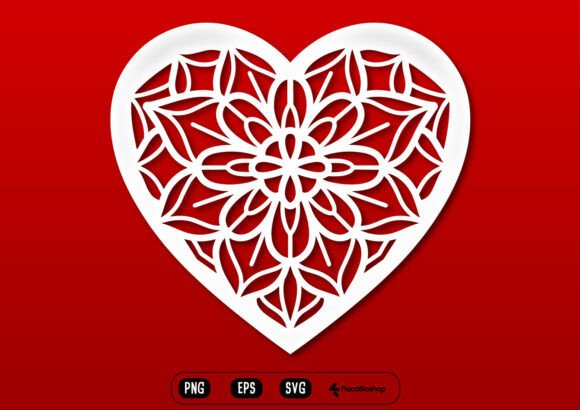
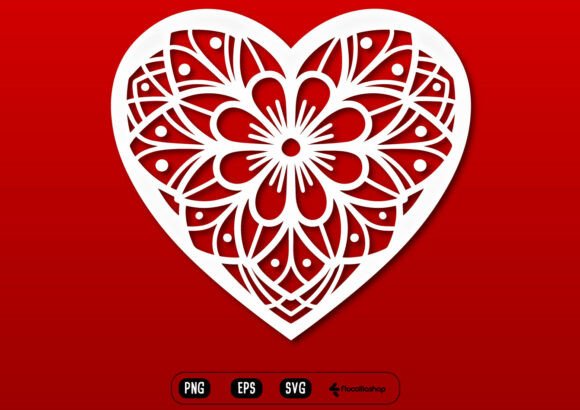
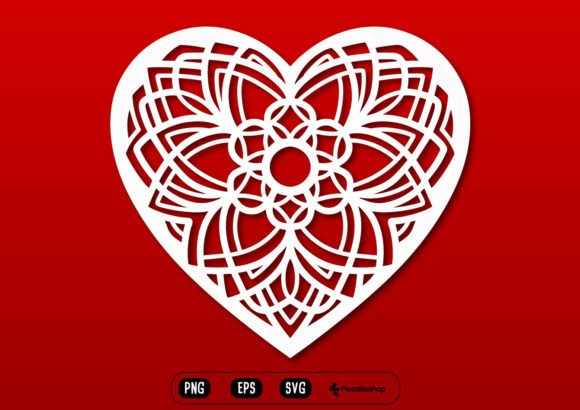
The Ornate Rose Heart Mandala Cut File is a versatile digital asset designed to elevate decorative projects. It represents a fusion of geometric precision and organic beauty, combining the symbolic heart shape with the intricate, balanced patterns of a mandala and soft floral elements. This isn’t merely a static image; it’s a professionally crafted, multi-format file set engineered to be a foundational component in a wide array of crafting and design processes. Its true value lies in its seamless integration into your existing workflow, serving as a high-quality, ready-to-use element that saves time and ensures consistency across both physical and digital mediums.
The Core Files and Their Practical Roles
Understanding the included file formats is the first step in effectively implementing this asset. Each format serves a distinct purpose within different stages of a project, interacting directly with the software and tools you already use.
The SVG file is the cornerstone for machine cutting. Its vector paths are perfectly calibrated for a smooth cutting experience on platforms like Cricut Design Space, Silhouette Designer Edition, and Brother ScanNCut. Before starting a physical project, importing this SVG allows for immediate scaling and material testing without loss of detail. This preparation step is crucial for quality control, ensuring the intricate linework translates perfectly to vinyl, cardstock, or heat-transfer material.
The EPS file offers full scalability for professional design software such as Adobe Illustrator or CorelDRAW. This is where deeper integration occurs. You can deconstruct the design, modify colors, or combine it with other vector elements to create composite artwork for branding or more complex decor items. This format supports long-term use and adaptation, allowing the core mandala heart to become part of your reusable asset library.
The PNG file, with its high-resolution 300 DPI and transparent background, is your go-to for direct printing applications. It fits into workflows involving sublimation and Direct-to-Garment (DTG) printing. Its usability here is straightforward: place the PNG onto your mock-up template in graphic software, position it, and proceed to print. This eliminates the need for vector conversion and speeds up the production of personalized apparel and gifts.
Planning Projects Around the Design
Successful implementation begins with planning. The ornate rose heart mandala’s complexity makes it suitable for high-end outcomes, so considering its application early in your creative or business process is key.
For Crafters and Hobbyists
If you are embarking on a 3D paper cut project, such as a layered shadow box, the design dictates material choice. Thinner, delicate cardstock may be used for the finest petals, while a heavier base layer supports the structure. Your workflow involves using the SVG to cut multiple layered versions, organizing them by layer before assembly. For laser-cut wooden wall art, the same SVG file is sent to your laser cutter software, but preparation involves selecting the correct wood type and finish to complement the ornate detail.
For Entrepreneurs and Small Business Owners
Integrating this cut file into a product line requires a focus on consistency and efficiency. For wedding stationery, the design can become the central motif for a suite of items. Using the EPS in Illustrator, you can create a master template for invitations, adjust the motif’s size for envelope seals, and use the PNG for any flat printed elements like thank-you cards. This creates a cohesive brand look across all stationery items. For personalized apparel, the PNG file’s readiness means you can quickly generate product mock-ups for your online store, apply the design to various garment templates, and maintain a high standard of aesthetic quality across your inventory.
Execution and Workflow Integration
During the execution phase, the cut file interacts with your tools, materials, and decisions. Here are practical observations for smooth integration.
When cutting physically, always perform a test cut on a scrap piece of your chosen material. The intricate geometric petals demand precise blade or laser settings. This step prevents material waste and ensures the final product’s quality matches the digital file’s precision. For digital designs, such as creating aesthetic stickers or mug wraps, using the PNG on a transparent background allows you to overlay it directly onto your product photograph or mock-up in a tool like Photoshop or Canva, streamlining the design process.
Organization is vital for long-term use. Save the three file formats together in a dedicated project folder labeled with the design name. Within your design software, consider creating a swatch or color palette that complements the rose and floral elements of the mandala heart. This promotes consistency when you use the asset across multiple projects over time.
Compatibility with Common Methods
The file set is designed for broad compatibility. It works within the standard creative process: design conception, digital preparation, physical or digital production, and finishing. It fits after the decision to pursue an elegant, romantic aesthetic and before the final assembly or printing stage. It interacts harmoniously with other resources: you can pair it with solid color backgrounds, simpler typography for invitations, or complementary geometric patterns to create more complex layered artwork.
Diverse Use Cases and Implementation Tips
The application possibilities highlight the design’s flexibility. Each use case requires a slight adjustment in workflow.
- Wedding & Valentine Stationery: Use the EPS file to embed the heart into your invitation layout. Adjust line weights if needed to ensure clarity when printed at smaller sizes. For envelope decor, use the SVG to cut delicate vinyl decals.
- Personalized Apparel: The PNG is your primary asset here. For sublimation on pillows or tote bags, ensure your blank material is polyester-based and pre-press it to remove moisture for optimal transfer.
- Home Decor: For etched glass, convert the SVG to a path your etching machine software recognizes. For vinyl decals on mirrors, mirror the design within your cutting software before sending it to the cutter.
- Custom Gifts: When creating jewelry boxes or decorative mug wraps, consider the substrate. A detailed design like this may require a simpler background on a mug to ensure the pattern is the clear focal point.
A crucial tip for all applications is to respect the design’s intricacy. It is not suited for very small-scale applications where fine detail may be lost, such as tiny pendant jewelry. Scaling should be done proportionally within your vector software to maintain the integrity of the linework.
Ensuring Quality and Efficiency
The professionally crafted nature of the Ornate Rose Heart Mandala Cut File inherently supports quality outcomes. Its clean linework reduces the chance of cutting errors or jagged prints. To maximize efficiency, establish a repeatable process. For a small business owner producing laser-cut art, this might mean: 1) Open the SVG in your laser software, 2) Set your material-specific power and speed settings (saved as a preset for future use), 3) Cut, 4) Finish (sand, paint, assemble). This turns a complex design into a streamlined, repeatable task.
Finally, think of this digital asset as a component, not just a finished piece. Its greatest power in your workflow is its adaptability. You can extract portions of the floral ornament for smaller accents, use the symmetrical halves separately, or overlay text within the heart’s center for personalized gifts. This approach transforms a single purchase into a versatile resource that supports countless projects, enhancing both your creative expression and your practical output.