Embrace Nostalgic Patriotism: The Strategic Value of the 4th of July Retro Smiley Faces Pattern
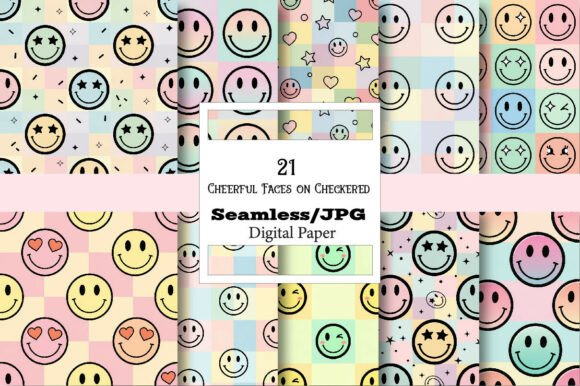
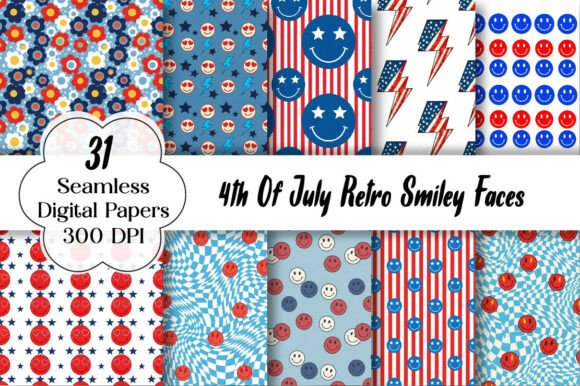
In the landscape of visual communication and brand aesthetics, a well-chosen graphic pattern isn't merely decoration; it's a strategic tool. The 4th of July Retro Smiley Faces Pattern represents such a tool. At its core, it is a high-resolution, versatile digital graphic that fuses classic patriotic iconography—the stars and stripes, the reds, whites, and blues—with the universally joyful and nostalgic appeal of retro smiley faces. This combination creates more than a festive background. It creates a visual shortcut to feelings of celebration, optimism, and shared cultural memory.
A Pattern with Purpose: Beyond Decoration
Using design elements randomly can dilute your message and waste resources. The thoughtful application of the 4th of July Retro Smiley Faces Pattern, however, can serve clear strategic goals. For entrepreneurs and small business owners, especially those in creative industries, lifestyle brands, or event services, this pattern offers a ready-made aesthetic that aligns with seasonal marketing campaigns. Its nostalgic tone can position your products as playful, authentic, and emotionally resonant, distinguishing them from more generic patriotic designs.
For marketers and content creators, it provides a cohesive visual theme for a campaign. Imagine deploying it across social media backgrounds, email graphics, and promotional print materials for a July 4th sale or event. The consistency reinforces brand recognition and builds a specific festive atmosphere. For educators and publishers, the pattern can transform learning materials or book covers related to American history or summer themes, making them more engaging and visually appealing.
Intentional Application in Planning and Operations
Successful use begins with intentionality. Before applying the 4th of July Retro Smiley Faces Pattern to any project, consider your primary objective. Is it to enhance customer experience through themed packaging and labels? Is it to boost productivity by providing your team with a unified set of design assets for summer projects, saving hours of custom design work? Or is it to support long-term branding by establishing a recurring, recognizable seasonal identity?
Plan its integration. This pattern is delivered as a high-resolution 300 DPI JPG, making it suitable for both digital and physical outputs. Map out its touchpoints: perhaps it begins digitally on your website's summer landing page, translates into physical form on your product labels for candle soaps or tote bags, and culminates in the customer experience as part of your party decor kits or handmade stationery included with orders. This planned journey ensures the pattern adds value at every stage.
Practical Use Cases and Creative Expression
The versatility of the 4th of July Retro Smiley Faces Pattern is its greatest asset. Here is how it translates into practical outcomes across different roles and hobbies.
- For Product Differentiation: Apply it to sublimation prints for tumblers, mugs, or t-shirts. A unique, cheerful pattern can make a commodity product feel special, potentially increasing its perceived value and appeal in a crowded marketplace.
- For Enhanced Communication: Use it as a background in digital presentations for summer workshops or as graphics in blog posts. It immediately sets a thematic tone, making your communication more memorable.
- For Operational Efficiency: Hobbyists running small craft businesses or Etsy shops can use this single asset for multiple product lines—stickers, wind spinners, scrapbooking paper, and card-making—streamlining design procurement and maintaining aesthetic consistency.
- For Customer Experience & Event Planning: From bridal showers with a patriotic twist to birthday parties and wedding decor, the pattern on napkins, plates, or as part of junk journal kits adds a layer of cohesive, professional-looking charm that guests will appreciate.
Strategic Considerations and Potential Risks
While powerful, the 4th of July Retro Smiley Faces Pattern is not a universal solution. Its value is context-dependent. A key consideration is audience alignment. The retro smiley face element appeals to a sense of nostalgia, which resonates strongly with adults but may not align with a ultra-modern, minimalist brand identity. Assess if this playful, vintage-inspired patriotism fits your brand’s voice for the season.
Another risk lies in overuse or reliance without clear goals. Saturating every customer touchpoint with the same pattern can feel repetitive rather than cohesive. Use it as a primary theme but introduce complementary solid colors or simpler geometric elements to create visual hierarchy and rest points. Furthermore, remember its seasonal nature. Leveraging it effectively requires planning around the 4th of July period. Integrating it into your annual content or product calendar ensures it’s ready for deployment when interest peaks, maximizing its impact.
Long-Term Value and Creative Outcomes
Viewing this graphic as a one-off download misses its potential for recurring value. For freelancers and designers, it becomes a asset in your library, reusable year after year for client projects requiring a patriotic theme, improving your service speed and quality. For bloggers and publishers, it can be the foundation for a series of summer-themed printable illustrations, posters, or digital paper packs, building content archives that attract traffic seasonally.
The pattern also encourages creative problem-solving. Its application to 3D projects, watercolor technique bases, or phone case designs pushes you to think beyond flat graphics. This exploration can lead to innovative product ideas or artistic directions, fostering creativity that has practical commercial or personal expression outcomes.
Ultimately, the 4th of July Retro Smiley Faces Pattern is a strategic shortcut to a specific aesthetic outcome. Its high resolution and versatile format make it a practical operational asset. Its nostalgic, joyful design makes it a potent communication and branding tool. By applying it with intention—mapping it to clear goals, planning its integration across touchpoints, and considering its fit within your broader visual strategy—you transform a simple graphic into a catalyst for better creative results, stronger seasonal positioning, and a more memorable customer experience.